Project snapshots
The Queensland and Australian governments fund and manage multiple projects working in partnership with industry, agriculture, land and natural resource management organisations, catchment communities and First Nations people.
These partnerships and projects are driving change, building resilient landscapes, productive industries, stronger communities and cleaner water for the Great Barrier Reef.
Grazing
-
 Better with GRASS
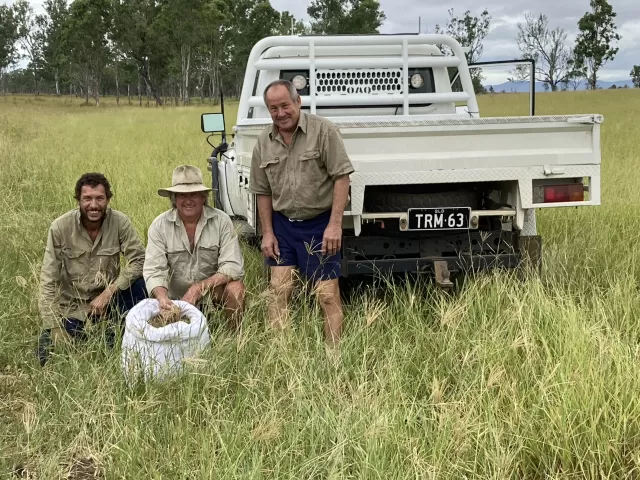
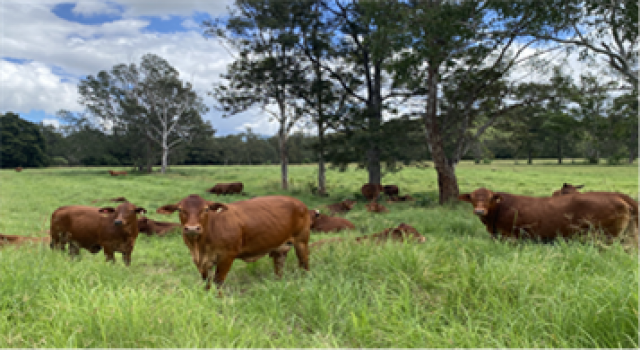
Better ground cover, increased productivity and less sediment run-off – it’s a win for our graziers and for the Great Barrier Reef. Operating since 2019, and now in its second phase, the Queensland Government’s Grazing Resilience and Sustainable Solutions (GRASS) program has worked with over 580 graziers across the Burdekin, Fitzroy and Burnett Mary regions. More than 3.70 million hectares of grazing land is under better land management with an estimated 28,000 tonnes of sediment each year (or around 660 semi-trailers) stopped from reaching the Great Barrier Reef. Meet Fitzroy grazier and GRASS participant, Trevor Mylrea.
-
 Grazing for change
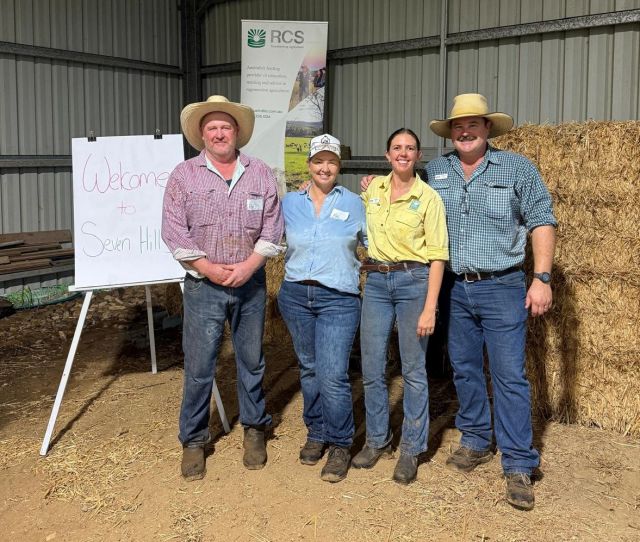
For graziers in the Great Barrier Reef catchment, environmental stewardship sits alongside productivity. With support from the Queensland Government’s Grazing Practice Change Program, over 130 graziers have switched up their practices, boosting their productivity while reducing soil loss to local waterways. Tailored support from industry experts has improved ground cover, pasture quality and land condition across more than 70,870 hectares of grazing land. So far, this has saved around 725 tonnes of sediment from heading to the Reef since 2024. Meet graziers Patrick and Melina Clancy from ‘Seven Hills’.
Sugarcane
-
 Creek to coast: coastal farming systems
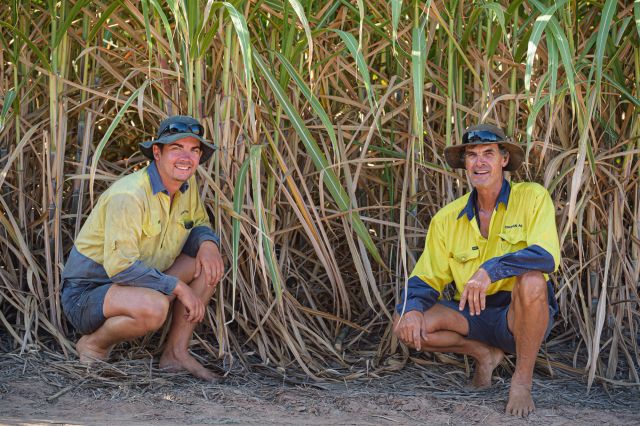
Promoting modern farming systems that boost productivity, build capacity and improve practices including nutrient use efficiency, keeping costly fertiliser on-farm and out of waterways, the Coastal Farming Systems Program is delivering sweet results. Since 2023, sugarcane growers across more than 11,900 hectares of prime cane growing land in the Reef catchment have helped stop around 56,340 kilograms of dissolved inorganic nitrogen from entering creeks and waterways that flow to the Reef. The program is funded through the Queensland Reef Water Quality Program and delivered by the Department of Primary Industries. Reaping the sweet rewards, meet sugarcane growers Tony and Mitchell Chapman.
-
 Grower engagement reduces pesticide risk
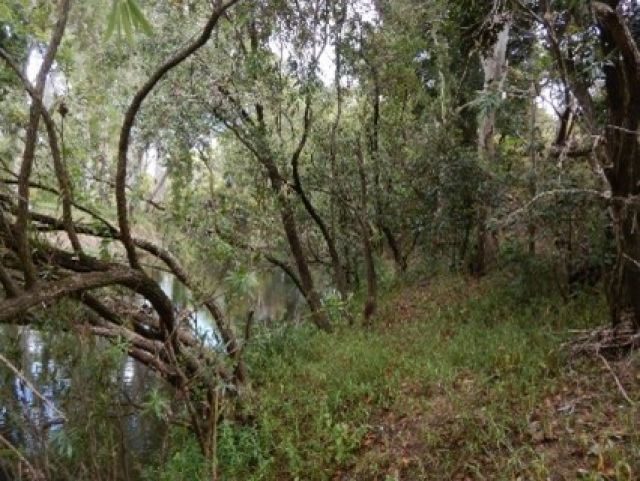
Sandy Creek, a sugarcane-dominated catchment in Queensland's Mackay Whitsunday region, has long recorded high pesticide risk scores threatening aquatic ecosystems. Following years of intensive grower education and extension activities provided by Queensland and Australian Government agencies and agriculture service providers like Farmacist — including the use of tools like Pesticide Projector and outreach by the Catchment Water Quality Alliance—measurable improvements have emerged. Analysis of Pesticide Risk Metric data from 2016 to 2025 reveals a significant reduction in risk from photosystem II herbicides such as diuron and atrazine (p=0.004). The results demonstrate that sustained, targeted extension engagement with landholders can help deliver real water quality outcomes. Read more about the project delivered at Sandy Creek .
-
 Mackay-Whitsunday Water Quality Program
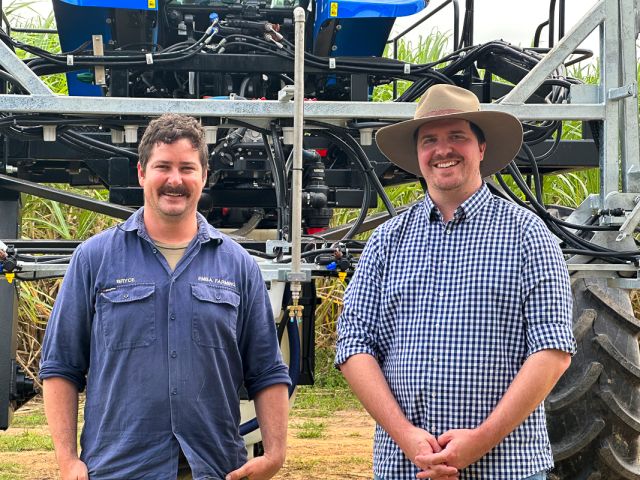
Eight projects, 300 sugarcane growers, 50,000 hectares of cane land and an estimated reduction of 28 tonnes of dissolved inorganic nitrogen and more than 6 million pesticide risk units. These are the results from the Mackay-Whitsunday Water Quality Program (2020–2024) led by Reef Catchments and funded through the Australian Government’s Reef Trust Partnership with the Great Barrier Reef Foundation. In addition to supporting growers in adopting profitable and sustainable farming practices with advice and support from industry delivery providers, the program included the development of a regional practice change strategy, technical support for water quality monitoring and local wetland monitoring to better understand the role of wetlands in enhancing water quality outcomes.
-
 Sweet results
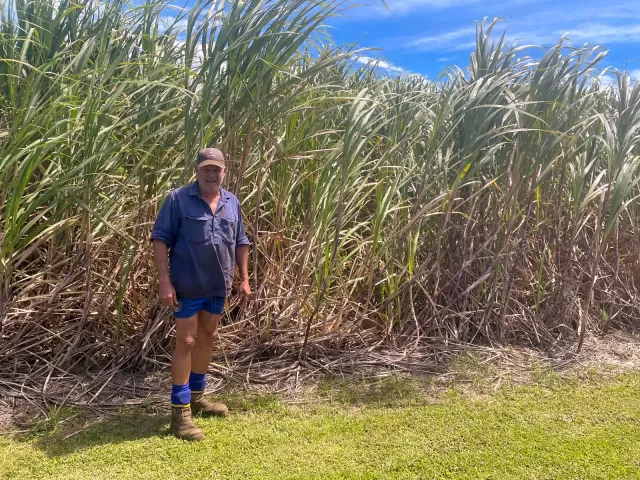
Practice change is delivering sweet results for sugarcane growers and the Great Barrier Reef. Around 220 growers from the Herbert down to the Burnett have worked with agronomic experts to fine-tune their nutrient use and farm planning under the Sugarcane Practice Change Program. Looking at constraints such as soil condition, weed management and irrigation, growers have improved their farm productivity and Reef water quality by keeping an estimated 45,600 kilograms of dissolved inorganic nitrogen on-farm which means more fertiliser for the crop and less flowing to the Reef. Meet Mulgrave Valley cane grower John Arcidiacono.
Bananas
-
 Best of the bunch
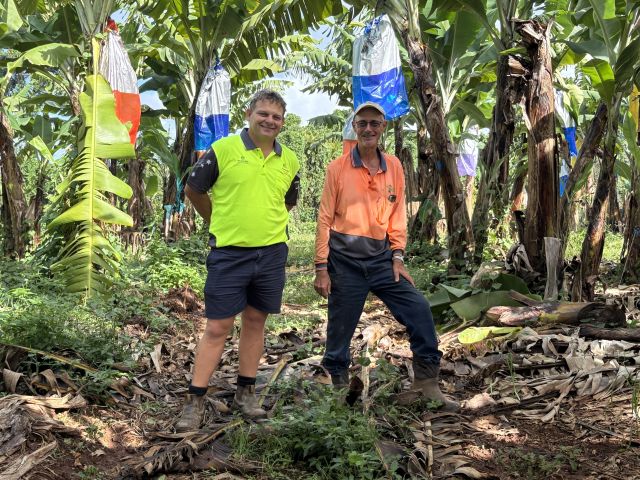
At the forefront of best management practices for their industry, banana growers in the Great Barrier Reef catchment are proving they are the ‘best of the bunch’ in more ways than one. In the Wet Tropics alone, 80% of growers have actively benchmarked their business practices against the industry’s Banana BMP – a program funded by the Queensland Government and delivered by peak body, Australian Banana Growers’ Council. From 2023 to 2025, practice change through the Banana BMP program has delivered close to 12,200 kilograms in dissolved inorganic nitrogen savings. It’s as easy as ABC, meet ABC Bananas general manager Steve Morice and farmer manager, Stephen Prior.
Landscape restoration
-
 Fitzroy Water Quality Program
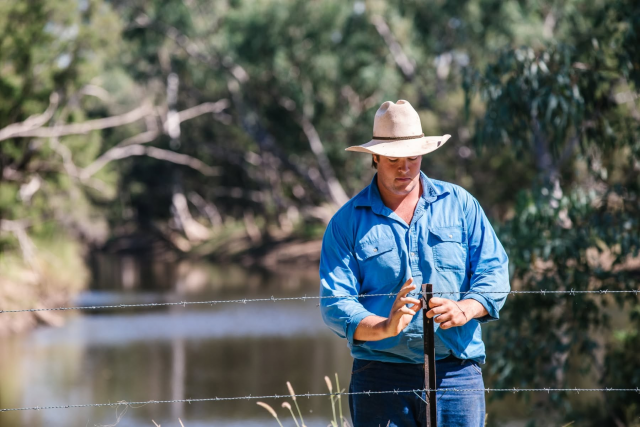
The Fitzroy Water Quality Program (2018–2024) prevented 56,000 tonnes of fine sediment from the Fitzroy region from reaching the Reef each year. The program was coordinated by the Fitzroy Basin Association and funded through
the Australian Government’s Reef Trust and the Great Barrier Reef Foundation. It involved working with land managers to improve grazing practices and landscape function, as well as remediating degraded land through gully and streambank rehabilitation. These actions helped to reduce sediment run-off into waterways that flow to the Reef, increase land productivity and sustainability, and restore habitat for threatened species. -
 Mackay Whitsunday Isaac Landscape Repair Program
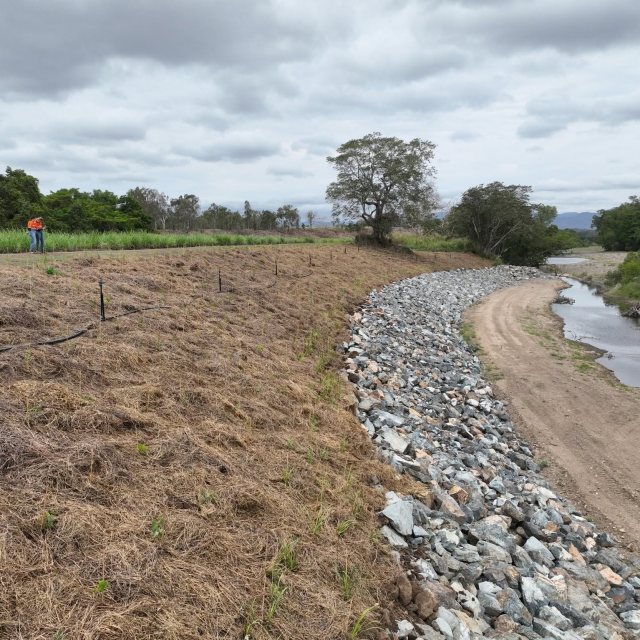
The Mackay Whitsunday Isaac Landscape Repair Program (2024-2030) is delivering large-scale landscape improvements in priority catchments to support land management and reduce sediment run-off to improve Reef water quality. It is led by Reef Catchments and funded through the Australian Government’s Reef Trust. The program is restoring eroding gully systems, rehabilitating streambanks, addressing hillslope erosion and improving ground cover. It has a local target of reducing 18,000 tonnes of fine sediment loss from the Mackay Whitsunday Isaac region by June 2030. Work undertaken in 2025 alone was estimated to prevent more than 4,680 tonnes a year of fine sediment from entering the Reef Lagoon.
-
 Mary River Recovery Project
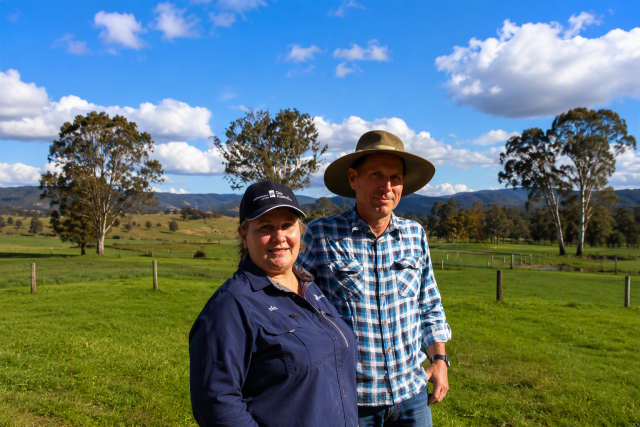
The Mary River Recovery Project (2020–2024) was delivered by Burnett Mary Regional Group, Mary River Catchment Coordinating Committee and Alluvium Consulting and funded through the Australian Government’s Reef Trust Great Barrier Reef Foundation Partnership. Focused on stabilising steep eroding banks, installing instream habitat structures and revegetation work, the project is preventing more than 26,000 tonnes of fine sediment from entering waterways that flow to the Great Barrier Reef. More than 100,000 native seedlings were planted, close to five kilometres of riverbank was fenced off from livestock and over 320 landholders in addition to 400 other stakeholders were engaged over the four years
-
 Reef Assist
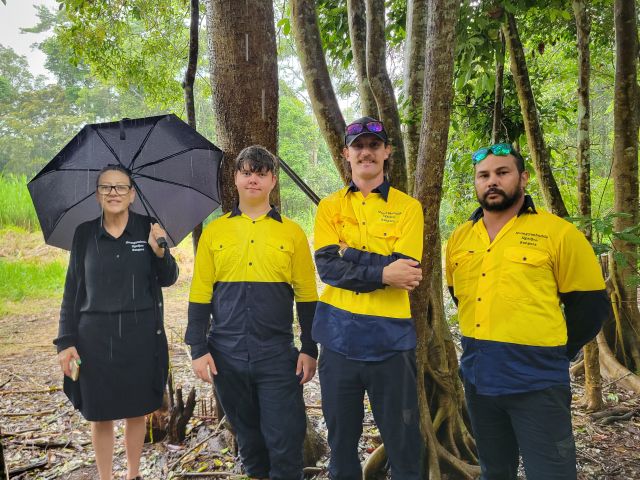
Imagine 64 semi-trailers lined up end to end. That’s the amount of sediment that Reef Assist 2.0 will stop annually from reaching the Great Barrier Reef thanks to work undertaken since 2023. But the estimated 2,720 tonnes of sediment savings is just part of the picture. In addition to the landscape repair work for healthier waterways, the Reef Assist program provided jobs and work skills training for First Nations people and youth. Twelve projects were delivered generating 240 jobs – around 50% filled by First Nations, 30% by youth and 35% by women – with participants completing more than 670 training courses. Meet Wet Tropics Management Authority’s Scott Sullivan and Reef Assist participant, Jared Barlow-Gray.
-
 Stabilising streambanks
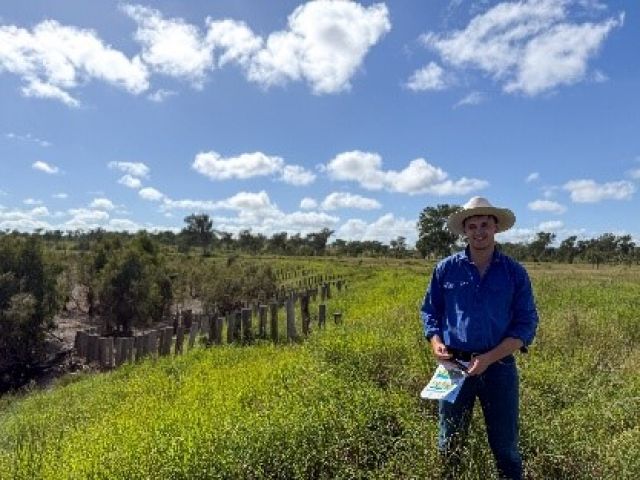
Gully and streambank erosion is a significant contributor to fine sediment entering waterways that flow to the Great Barrier Reef. Working side by side with land managers, the Streambank Remediation Program has proven that remediating landscapes helps stop sediment run-off at its source. Take Six Mile Creek in the Fitzroy Basin, where a steep, crumbling, towering section of bank has been stabilised keeping around 1,300 tonnes of sediment each year from washing into waterways. Read more about the project delivered by the Fitzroy Basin Association.
Place-based projects
-
 Driven by people and place: Mary River
Local solutions deliver long-term benefits: this is the principle behind a suite of projects under the Queensland Government’s Reef place-based initiative. From Cape York to the Mary River in the south, catchment communities are driving their own solutions for better waterway health. The Mary River Integrated Project (MRIP) delivered by the Mary River Catchment Coordination Association is one of these projects. Established in 2024, the MRIP is preventing around 380 tonnes of fine sediment polluting the Mary River through a suite of sub-projects targeting unsealed roads and riparian vegetation to better land management practices with producer-led water quality monitoring with local graziers and dairy farmers.
- Last updated
- 23 September 2026